

What actually makes sense right now, depending on where you are in life
Texas is still attracting people from all over the country. From Houston and Dallas-Fort Worth to San Antonio, Austin, and the suburbs growing around them, demand has not disappeared. What has changed is the pace. The housing market in 2026 feels steadier than it did during the frenzy of the last few years, and that shift is giving buyers a little more room to think clearly.
Home prices in many parts of Texas are no longer jumping at the same aggressive pace they were before. In some areas, values have flattened out, and that can work in your favor if you are trying to enter the market without feeling like you have to rush into a bidding war. Mortgage rates are still higher than many buyers would prefer, but they have eased from their peaks. At the same time, rent remains stubbornly expensive across much of the state, especially in the larger metro areas.
That is why more Texans are taking a fresh look at the rent-versus-buy decision. With more inventory, more new construction, and more loan options available than many people realize, buying a home is starting to feel realistic again for a wider range of households.
Why Buying Makes a Lot of Sense Right Now

The biggest long-term advantage of buying is still equity. Every mortgage payment you make goes toward something you own. Renting does not offer that. You can spend years making rent payments on time and still walk away without any financial return. When you own a home, part of what you pay each month helps build value for your future.
There is also the stability factor, and that matters more than people sometimes expect. Rent can rise when your lease renews. A fixed-rate mortgage gives you more predictability. Your property taxes and insurance may change over time, but your principal and interest payments stay consistent. That kind of structure can make monthly budgeting feel much more manageable.
Then there is the personal side of homeownership. When you own your home, you have control. You can make changes, settle into a neighborhood, and create a space that feels like your own. For many buyers, especially families or people planning to stay put for several years, that sense of permanence is worth a lot.
Texas also has strong long-term fundamentals. Large employers continue to expand here. Industries like healthcare, energy, technology, logistics, and manufacturing have a major presence across the state. As more people move in for jobs and opportunities, housing demand tends to remain supported. That does not guarantee every market will rise the same way, but it does help explain why real estate in Texas still has long-term appeal.
Financing options available for Texas home buyers
One reason buying may be more attainable than it first appears is that there is not just one kind of mortgage. Texas home buyers have access to a wide range of loan programs, and the right one depends on your income, credit profile, down payment, military status, and the type of property you want to buy.
Conventional loans are one of the most common options. They can be a strong fit if you have solid credit and want flexible terms. Many conventional programs offer low-down-payment options, which can help first-time buyers with steady incomes who do not want to wait years to save a large amount upfront.
FHA loans are popular with buyers who want a more flexible path into homeownership. They are often a good fit for people with moderate credit scores or smaller down payments. FHA financing can be especially helpful if you are buying your first home and need a loan program that is more forgiving than a standard conventional mortgage.
VA loans are available to eligible veterans, active-duty service members, and certain surviving spouses. In Texas, this can be one of the most valuable home financing options available because VA loans may offer no down payment, competitive rates, and no monthly mortgage insurance.
USDA loans can also be a strong option in qualifying rural and suburban areas throughout Texas. Many buyers are surprised to learn that several communities outside the major city core can still meet USDA eligibility guidelines. These loans can offer no down payment to qualified borrowers, making them worth considering if you are open to buying in an eligible location.
Jumbo loans are designed for higher-priced homes that exceed conforming loan limits. In markets where home prices run higher, or if you are purchasing a larger or luxury property, jumbo financing may be the right fit.
Texas buyers may also have access to down payment assistance programs through state and local resources. These programs can help with upfront costs, which are often the biggest hurdle for first-time buyers. For many households, the issue is not affording a monthly payment; it is getting enough cash together for the down payment and closing costs. Assistance programs can help bridge that gap.
The key is that financing is not one-size-fits-all. The right loan structure can change what is realistic for you, and that is why many renters who assume they are not ready to buy may actually have more options than they think.
When Renting Is the Smarter Move

If you just moved to Texas and you’re still figuring out which part of it feels like home, please rent first. This state is enormous. The vibe in Houston is completely different from Austin, and Frisco doesn’t feel anything like San Antonio. Give yourself time to learn the area before you commit to a zip code for the next decade.
There’s also the financial side. Buying comes with upfront costs, and they’re not small. If you’re still building your savings, it’s okay to take your time. Rushing into a purchase before you’re ready can create more stress than stability.
Life matters too. If your job feels uncertain or you’re considering a big change, renting offers flexibility. Selling a home after a year or two can be expensive, and sometimes it just doesn’t make sense.
There’s also maintenance to consider. Homeownership comes with surprises, and not always the fun kind. Roof issues, AC repairs, plumbing problems, they show up when they want. When you rent, that’s someone else’s responsibility, which can be a relief if you’re trying to keep your expenses predictable.
How To Decide What Fits You
If you’re trying to decide whether to rent or buy in Texas in 2026, the best place to start is not the market. It’s your own life.
If you plan to stay in Texas for three years or more, have a steady income, and have saved enough for a down payment and closing costs, buying may make a lot of sense. It gives you a chance to build equity while also creating more housing stability. For many people, that’s a powerful combination, especially when rent keeps rising, and housing demand stays strong.
If you’re still getting established, though, renting can be the better path. That might mean you’re new to the state, testing out different neighborhoods, rebuilding savings, or dealing with a job that could change. In those cases, flexibility matters more than ownership. It gives you time to figure things out without adding a huge amount of pressure.
A good rule of thumb is to ask yourself a few honest questions. Do I know where I want to live? Am I financially ready for the real costs of ownership, not just the mortgage payment? Am I likely to stay put long enough for buying to pay off? If the answer is yes, buying becomes more attractive. If the answer is no, renting may be the wiser move for now.
A Practical Way To Think About Buying vs Renting
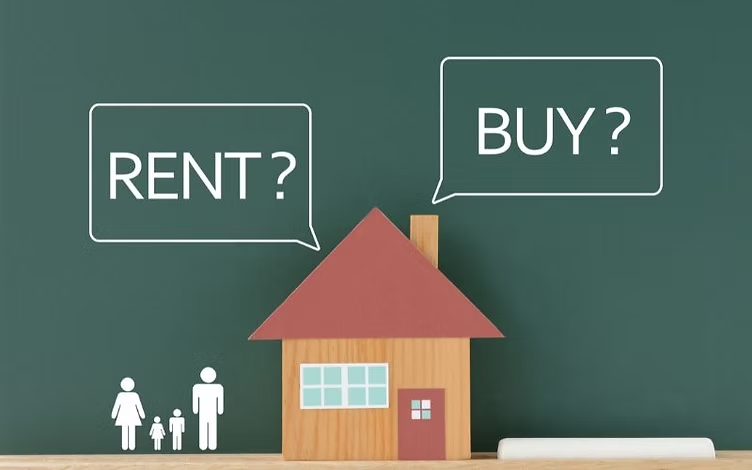
For some people, 2026 may be the right year to make the move into homeownership finally. Prices have become more manageable in many markets, inventory has improved, and financing options remain broad enough to support a wide range of buyers.
For others, renting a little longer is still the wiser choice. It can give you time to save more, explore neighborhoods, and get clearer on where you want to be.
So the real question is not which option sounds better in general. Which one matches your current season of life? Some people are ready to buy now and will be glad they did. Others need a year or two to save, settle, and sort things out. Both choices can be smart when they’re made for the right reasons.
In Texas, where the market is still active and the cost of waiting can add up, the best move is the one that gives you both stability and confidence. For some people, that means buying a home. For others, it means renting a little longer and getting ready for the right purchase later.