
Introduction
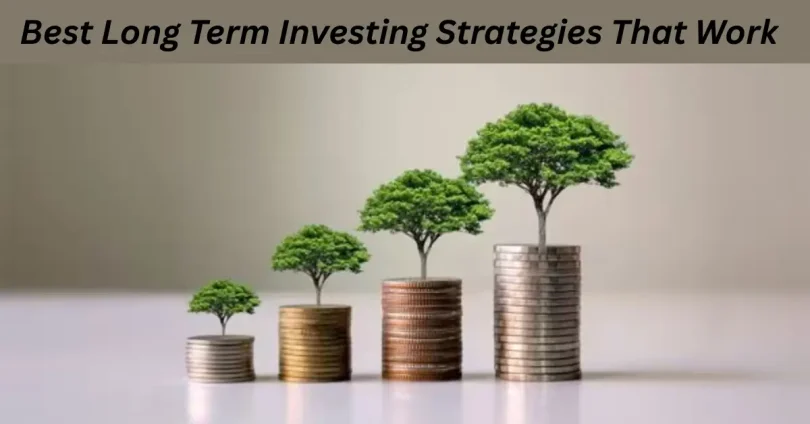
Building long-term wealth isn’t about timing the market or chasing the latest trends — it’s about consistency, patience, and smart planning. Long-term investing strategies are designed to help you grow your money steadily over time, even through market ups and downs. Whether you’re saving for retirement, a major life goal, or financial independence, learning how to invest long term gives you a powerful advantage. By focusing on proven long term investment strategies and avoiding short-term noise, you can make your money work for you. In this guide, we’ll break down the best practices for the Best Long Term Investing Strategies That Work, share expert-backed investment tips, and highlight real-world strategies trusted by ftasiatrading. Let’s dive into a smarter way to invest — one that stands the test of time.
What Is Long-Term Investing?
Long-term investing is a strategy focused on buying and holding assets—such as stocks, ETFs, mutual funds, or real estate—for an extended period, typically five years or more. The goal is to allow your investments time to grow through compounding, reinvestment, and overall market appreciation.
Unlike short-term trading, which often relies on quick price movements and market timing, long-term investing is about staying the course. It involves selecting quality assets, maintaining a diversified portfolio, and avoiding emotional reactions to daily market changes.
When you invest long term, you’re giving your money the opportunity to weather market volatility, benefit from consistent earnings growth, and build wealth steadily. Historically, markets tend to reward patience—making long-term investing one of the most reliable ways to achieve financial goals like retirement, buying a home, or funding a child’s education.
Why Long-Term Investment Strategies Work
Long-term investment strategies succeed because they leverage time, patience, and the power of compounding. Instead of trying to predict short-term market movements—which even seasoned investors struggle with—long-term investors focus on staying invested in quality assets that grow steadily over the years.
Compounding Returns
- By reinvesting dividends and allowing gains to accumulate over time, your investments grow exponentially. The longer your money stays invested, the more powerful compounding becomes.
Market Resilience
- Markets rise and fall, but historically, they trend upward over the long run. Long-term investing allows you to ride out short-term volatility and benefit from overall growth.
Lower Costs and Taxes
- Long-term investors avoid frequent trading, which means fewer transaction fees and lower capital gains taxes.
Reduced Emotional Decisions
- With a long-term mindset, you’re less likely to panic-sell during downturns or chase hype, resulting in more disciplined decision-making.
These benefits make long term investment strategies a smart, proven path to building sustainable wealth.
7 Proven Long-Term Investing Strategies
To succeed as a long-term investor, it’s important to follow strategies that are time-tested, diversified, and goal-oriented. Below are seven powerful long-term investing strategies that can help you build and protect your wealth over time.
Buy and Hold
- This classic approach involves purchasing strong, stable investments and holding them for years—even decades. It reduces trading costs and allows you to ride out market volatility.
Invest in Index Funds or ETFs
- Low-cost index funds and ETFs offer broad market exposure, making them ideal for beginners and experienced investors alike. They reduce risk through diversification and often outperform actively managed funds over time.
Dividend Growth Investing
- Focus on companies that consistently increase their dividends. This strategy not only provides passive income but also signals financial health and long-term performance.
Value Investing
- Popularized by Warren Buffett, value investing involves buying undervalued stocks with strong fundamentals. It’s about patience and finding quality at a discount.
Dollar-Cost Averaging
- Invest a fixed amount regularly, regardless of market conditions. Over time, this reduces the risk of investing at a market peak and smooths out purchase prices.
Diversification Across Sectors
- Spreading investments across various industries helps protect your portfolio from sector-specific downturns. A well-diversified portfolio is less risky and more stable.
Rebalancing Periodically
- As some investments grow faster than others, your portfolio can become unbalanced. Rebalancing ensures you stay aligned with your long-term goals and risk tolerance.
These strategies form the foundation of most successful long-term portfolios and align perfectly with investment tips shared by experts at ftasiatrading.
How to Start Investing for the Long Term
Starting your long-term investing journey doesn’t require a fortune — just a clear plan, the right tools, and the patience to let your investments grow. Here’s how to begin:
Define Your Financial Goals
- Are you investing for retirement, your child’s education, or long-term wealth building? Setting clear goals helps determine your strategy and time horizon.
Choose the Right Investment Account
- Open an account with a reputable brokerage or investment platform. Look for low fees, user-friendly tools, and access to long-term assets like ETFs, index funds, and stocks.
Start Small, But Start Now
- You don’t need a lot of money to begin. With options like fractional shares and low-cost index funds, you can start building your portfolio with just a few dollars.
Build a Diversified Portfolio
- Spread your investments across sectors and asset types to reduce risk. Include a mix of equities, bonds, and possibly real estate or ETFs.
Stay Consistent
- Stick to your investment schedule, such as contributing monthly or quarterly. This consistency builds discipline and strengthens your position over time.
Monitor and Adjust as Needed
- Check your portfolio a few times a year—not daily. Make adjustments only if your goals or risk tolerance change.
Common Mistakes to Avoid in Long-Term Investing
Even with the right strategy, long-term investors can fall into traps that limit returns or increase risk. Being aware of these mistakes can help you stay on track and protect your investments.
Panic Selling During Market Downturns
- Markets naturally go up and down. Selling in fear during a temporary drop can lock in losses and disrupt your long-term strategy. Stay calm and stick to your plan.
Lack of Diversification
- Putting all your money into one stock or sector exposes you to unnecessary risk. A well-diversified portfolio helps reduce losses and improves overall performance.
Ignoring Fees and Taxes
- High fees from certain funds or frequent trading can quietly eat into your returns. Similarly, not understanding tax implications can lead to unexpected costs.
Trying to Time the Market
- Even professional investors struggle with timing. Long-term investing is about time in the market, not timing the market.
Failing to Rebalance
- As your investments grow, your asset allocation can drift away from your original plan. Rebalancing ensures your portfolio stays aligned with your goals and risk level.
Avoiding these common mistakes can help you make the most of your long term investment strategies and keep your financial goals on track.
Expert Investment Tips from ftasiatrading
At ftasiatrading, long-term investing isn’t just about buying and holding—it’s about being informed, disciplined, and strategic. Here are some expert-backed tips that can help elevate your long-term investment game:
Focus on Fundamentals, Not Hype
- Always evaluate a company’s financial health, earnings, and long-term potential. Avoid making decisions based on media noise or social trends.
Set Realistic Expectations
- Understand that long-term investing is about steady growth, not overnight success. Compounding takes time but pays off significantly in the end.
Automate Your Investments
- Use automatic contributions to stay consistent. Tools like robo-advisors or recurring deposits remove the guesswork and keep you on track.
Review Your Portfolio Quarterly
- You don’t need to check your investments daily, but a quarterly review helps ensure everything aligns with your goals and risk tolerance.
Educate Yourself Continuously
- Stay up to date with market trends, economic changes, and new investment tools. ftasiatrading regularly shares updated investment tips, reports, and guides to support smart decision-making.
Frequently Asked Questions (FAQs)
What are the best assets for long-term investing?
The best long-term assets include index funds, ETFs, blue-chip stocks, and real estate. These options offer stability, growth potential, and compounding returns.
How long is considered “long term” in investing?
Long-term investing usually refers to holding investments for five years or more. This gives your portfolio time to grow and ride out short-term market volatility.
Can I start long-term investing with a small amount?
Yes! With fractional shares and low-cost funds, you can start investing with as little as $10–$50. The key is consistency and a clear plan.
How often should I check my long-term investments?
Check your portfolio quarterly or semi-annually. Frequent monitoring can lead to emotional decisions, which may hurt long-term results.
Are long-term investments safe?
While no investment is completely risk-free, long-term strategies reduce risk over time. Diversification and disciplined planning help protect your wealth.
Conclusion
Long-term investing strategies are the foundation of true wealth-building. By focusing on time-tested principles like diversification, consistency, and patience, you can avoid short-term market noise and instead create a financial future that supports your goals and lifestyle.
Whether you’re just getting started or refining your current approach, learning how to invest long term is one of the smartest financial decisions you can make. With guidance from trusted sources like ftasiatrading and a commitment to sound strategy, you’ll be well on your way to achieving lasting financial success.
Bonus Tips for Successful Long-Term Investing
Start Early, Even If Small
- The earlier you begin investing, the more time your money has to grow. Even small, regular investments can compound into significant wealth.
Reinvest Dividends
- If your investments pay dividends, reinvesting them can accelerate growth and increase long-term returns without any extra effort.
Avoid Checking Daily
- Markets fluctuate daily. Checking too often can lead to emotional decisions. Trust your plan and focus on long-term progress.
Stay Educated
- Keep learning about new trends, asset classes, and strategies. Read blogs, reports, or updates from experts like ftasiatrading to stay ahead.
Set Milestone Reviews
- Review your financial goals every 6–12 months. Adjust your contributions, risk levels, or allocations as your life changes.