



Introduction
Managing your money effectively is easier than ever with the rise of powerful digital tools. The best personal finance apps are designed to help users track expenses, create budgets, monitor savings goals, and even oversee investments—all from their smartphones. These apps combine ease of use with essential financial features, making them ideal for anyone who wants to stay in control of their money. Whether you’re looking for simple budgeting tools or more comprehensive personal finance software, there’s a wide range of options available to suit every need. In this article, we’ll explore Top 7 best personal finance apps for smart budgeting and how they can help improve your financial habits and planning.
Why Use Personal Finance Apps?
Personal finance apps offer an efficient and convenient way to manage your money. Instead of manually tracking your income and expenses, these apps automate the process and provide real-time insights into your financial health. You can categorize spending, set monthly budgets, and receive alerts when you’re approaching your limits.
One of the biggest benefits of using personal finance apps is their ability to connect directly with your bank accounts and credit cards, giving you an up-to-date picture of your finances in one place. This reduces the chances of missing bills or overspending. Many apps also offer personalized suggestions to help you save more or cut unnecessary expenses.
Whether you’re just starting your financial journey or looking to upgrade from spreadsheets, personal finance apps and software provide the tools you need to make smarter money decisions.
Top Features to Look for in Personal Finance Software
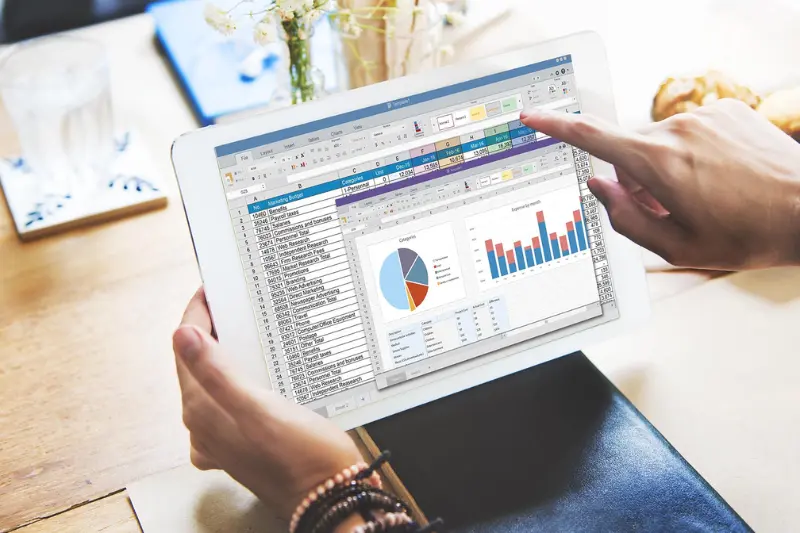
Choosing the right personal finance software depends on your financial goals and lifestyle. However, there are several key features you should look for to ensure the tool meets your needs.
Budgeting Tools
- A good app should let you create and manage custom budgets. This helps you plan your spending and avoid going overboard in specific categories.
Expense Tracking
- Automatic syncing with your bank accounts allows the software to track every transaction. This makes it easy to see where your money is going.
Goal Setting
- Whether you’re saving for a vacation or paying off debt, look for apps that allow you to set and track financial goals over time.
Bill Reminders
- Never miss a payment again. Quality software will alert you about upcoming due dates and recurring expenses.
Investment Tracking
- Some personal finance software includes tools for tracking stocks, retirement accounts, and other investments.
Data Security
- Choose apps that offer strong encryption and privacy policies to keep your personal and financial data safe.
By focusing on these essential features, you can select the best personal finance software that aligns with your financial needs and lifestyle.
Best Personal Finance Apps in 2025
There are countless finance tools available today, but only a few stand out in terms of features, reliability, and user satisfaction. Below are 7 of the best personal finance apps and software options to consider in 2025:
Mint
Mint remains a top choice for managing your budget, tracking spending, and viewing all your accounts in one place. It’s free to use and offers real-time alerts and automatic categorization of transactions.
- Best for: Beginners who want a simple, all-in-one money management tool.
- Platform: iOS, Android, Web
YNAB (You Need A Budget)
YNAB uses a unique budgeting philosophy that helps users give every dollar a job. It focuses on proactive money planning rather than just tracking.
- Best for: People serious about building long-term budgeting habits.
- Platform: iOS, Android, Web
Note: Paid subscription.
PocketGuard
PocketGuard simplifies your finances by showing how much money is “safe to spend” after bills and savings. It’s great for those who want to avoid overspending.
- Best for: Everyday spending control.
- Platform: iOS, Android
Personal Capital (Now Empower)
Combining budgeting with robust investment tracking, Personal Capital is ideal for those who want a big-picture view of their finances.
- Best for: Investors and net worth tracking.
- Platform: iOS, Android, Web
Goodbudget
Goodbudget uses the envelope method digitally, helping users allocate money to different categories. It’s simple and effective for budget-conscious individuals.
- Best for: Couples or families managing a shared budget.
- Platform: iOS, Android, Web
EveryDollar
Created by Dave Ramsey’s team, EveryDollar is built around zero-based budgeting and is easy to use for tracking spending manually or automatically.
- Best for: Fans of Ramsey’s financial methods.
- Platform: iOS, Android, Web
Note: Free and paid versions available.
Quicken
Quicken is a veteran in personal finance software with a wide range of tools—from budgeting to investments and bill pay. It’s best suited for desktop users.
- Best for: Advanced users who want detailed reports and desktop software.
- Platform: Windows, Mac
Personal Finance Apps vs. Software: What’s the Difference?
Though both personal finance applications and software are created with a shared purpose—to assist individuals in the careful management of their finances—they differ notably in their form, function, and user experience.
Personal Finance Apps
These are typically crafted for use on mobile devices and are designed with simplicity and accessibility in mind. They allow users to monitor daily expenditures, set monthly budgets, and observe real-time account balances. With their modern, user-friendly interfaces, such apps provide an efficient means of staying informed of one’s financial condition whilst on the go.
Personal Finance Software
In contrast, personal finance software is often more robust and detailed in its offerings. Suited for desktop or web-based environments, this software frequently includes features such as investment tracking, comprehensive reporting, and the ability to manage multiple financial accounts in depth. It is best appreciated by those who seek full control and a richer understanding of their financial standing.
Which One Should You Choose?
The decision ultimately rests upon your needs and personal preference. Should you desire quick access and mobile convenience, a finance app will serve you well. However, if you value detailed reports and deeper financial oversight, dedicated personal finance software may be the more fitting choice.
How to Choose the Right App for You

Selecting the appropriate personal finance tool requires thoughtful reflection upon one’s financial circumstances, goals, and habits. While the modern market offers a multitude of options, not every app or software shall suit every individual.
Consider Your Financial Objectives
Begin by identifying what you hope to achieve. Are you endeavoring to track daily expenses, eliminate debt, save for a future goal, or oversee investments? The clarity of your purpose shall guide you toward a tool that aligns with your needs.
Evaluate Ease of Use
An app, however powerful, is of little value if it proves too complex to navigate. Seek a platform that offers both functionality and a design that feels intuitive to you. A clear interface can greatly enhance your ability to remain consistent and engaged.
Look Into Features That Matter
Ensure the app includes essential features such as budgeting tools, automatic transaction tracking, goal setting, and secure bank syncing. More advanced users may also desire tools for investment oversight or income forecasting.
Free vs. Paid Options
Many finance apps offer both complimentary and premium versions. While free versions may suffice for basic needs, a modest investment in a paid plan may unlock tools that provide far greater value over time.
Privacy and Security
Lastly, always choose applications that uphold strong data protection standards. Your financial information is sensitive and must be guarded with encryption and trusted security protocols.
By weighing these factors carefully, you shall be better equipped to select the best personal finance app or software that complements your lifestyle and supports your financial aspirations.
Tips to Make the Most of Your Finance App
Merely installing a personal finance app does not guarantee financial improvement. One must engage with it thoughtfully and consistently to reap its full benefit. The following practices shall help you use such tools to their utmost potential.
Set Clear Financial Goals
Begin with purpose. Whether your aim is to build an emergency fund, reduce credit card debt, or save for a major purchase, defining clear objectives will guide your financial behavior and provide motivation to stay the course.
Review Your Budget Regularly
A budget, once established, is not to be forgotten. Take time each week to review your income and expenditures. This habit will keep you aware of your financial position and allow timely adjustments when necessary.
Categorize Transactions Accurately
Ensure that your expenses are correctly labeled within the app. Proper categorization reveals patterns in your spending, helping you identify areas where you may cut back or realign priorities.
Automate Where Possible
Most modern apps allow automation—be it bill payments, savings transfers, or recurring expense tracking. Use these features to maintain consistency and avoid missed obligations.
Analyze Trends Over Time
Many apps offer visual charts and reports. Make use of these to observe how your habits evolve over the months. Such insights can be invaluable in shaping long-term financial discipline.
By applying these practices with diligence, your chosen finance app becomes more than a digital ledger—it becomes a trusted companion in your journey toward financial stability and independence.
Frequently Asked Questions
What is the best free personal finance app?
Among the many available, Mint is often praised as the best free personal finance app. It offers a comprehensive suite of features, including budget tracking, account syncing, and real-time alerts—all without cost. Its user-friendly design makes it particularly suitable for beginners.
Are personal finance apps safe to use?
Most reputable personal finance apps employ strong encryption and follow strict security protocols to protect user data. However, it is always wise to use applications from trusted developers and enable two-factor authentication where available. Your financial information is sensitive and should never be entrusted lightly.
What is the difference between Mint and YNAB?
Mint is designed for passive tracking—it categorizes transactions, monitors bills, and provides spending summaries. In contrast, YNAB (You Need A Budget) focuses on proactive planning. It encourages users to assign every dollar a specific job, promoting intentional budgeting and long-term financial discipline.
Can personal finance software help with debt repayment?
Indeed, many personal finance tools include features specifically intended to assist with debt management. These may include debt payoff calculators, interest tracking, and strategies such as the snowball or avalanche method. Apps like EveryDollar and YNAB are particularly helpful for those aiming to eliminate debt systematically.
Can I use more than one personal finance app at a time?
Yes, it is entirely possible—and sometimes advisable—to use more than one personal finance app simultaneously. Each application tends to excel in particular areas: one may offer superior budgeting tools, while another provides more detailed investment tracking. For example, a user might employ YNAB for hands-on budgeting and Personal Capital for overseeing long-term wealth and retirement planning. The key is to ensure that the combination serves your needs without creating confusion or redundancy.
Conclusion
In an age where financial complexity has become the norm, the need for clarity and control has never been greater. The best personal finance apps and software provide individuals with the tools to navigate their financial lives with intention, precision, and confidence.
Whether you seek to track daily expenses, establish a disciplined budget, or oversee a growing investment portfolio, there exists a solution well-suited to your aims. From the simplicity of mobile budgeting apps to the robust capabilities of full-featured desktop software, these tools empower users to take ownership of their financial well-being.
The wisest course is to select a platform that aligns not only with your goals but also with your habits and lifestyle. Used consistently and thoughtfully, such tools can turn financial uncertainty into clarity, and transform passive observation into active stewardship of your personal wealth.
Bonus Points: Additional Tips for Financial Mastery
While the use of personal finance tools can greatly aid in money management, true mastery lies in the daily habits and attitudes one cultivates. Consider the following timeless principles as you refine your financial life:
Maintain a Financial Journal
- Beyond the numbers, keeping a simple record of spending decisions, successes, and setbacks can reveal emotional patterns and habits that influence your finances. Reflection fosters wisdom.
Review Your Finances Monthly
- Set aside one day each month to conduct a full review. Assess your progress toward goals, examine trends, and adjust where needed. Consistency is the soul of discipline.
Stay Educated
- Continue reading books, following reputable finance blogs, or even taking courses. The more you understand the principles of saving, investing, and managing money, the more confident and effective you will become.
Avoid the Comparison Trap
- Your financial journey is your own. Avoid measuring your progress against others. Instead, focus on steady improvement and living within your means.
Keep Emergency Savings Sacred
- Your emergency fund is not to be used lightly. Protect it as a safeguard against life’s uncertainties—it is the foundation of financial peace.


