

Introduction
Are you thinking about growing your money but don’t know where to start? Don’t worry—you’re not alone! Many people feel confused or even scared when they first hear the word “Investing for Beginners (2025 Guide) – Simple Steps to Start Smart.” But the good news is, investing for beginners doesn’t have to be complicated or risky. In fact, it’s easier than ever in 2025 to get started with just a little knowledge and a few smart steps.
In this guide, we’ll walk you through the basics of investing in a clear and simple way. Whether you’re saving for the future, planning for retirement, or just want to make your money work harder, this post is the perfect starting point. Let’s dive in and learn how to invest the smart and stress-free way!
What is “Investing for Beginners”?
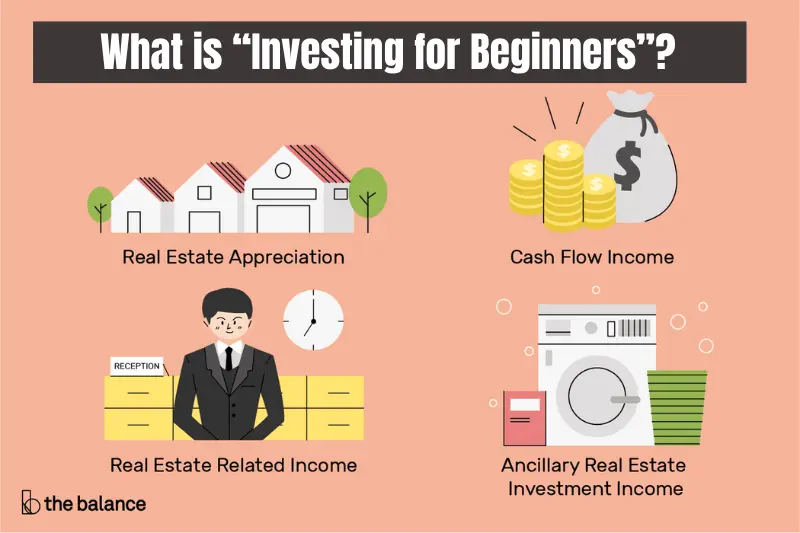
Investing for beginners simply means learning how to grow your money by putting it into things like stocks, mutual funds, real estate, or other assets that can increase in value over time.
Instead of just saving your money in a bank account (where it earns very little interest), investing gives your money the chance to grow faster—often much faster—through the power of compounding returns.
For beginners, investing is about starting small, learning the basics, and building confidence over time. You don’t need a lot of money or a finance degree to begin. With the right tools, platforms, and guidance, anyone can become an investor—even if you’re just starting out.
Why Is Investing Important?
Starting your investment journey might feel overwhelming, but understanding why investing matters can motivate you to take that first step. Here’s why investing is a smart move for your financial future:
Beat Inflation
Protect Your Money’s Value
Inflation slowly reduces the value of your money—investing helps you stay ahead.
Grow Faster Than a Savings Account
Bank savings grow slowly; investments often give higher returns over time.
Keep Up With Rising Costs
As prices increase each year, investing helps you afford the same or more in the future.
Build Wealth Over Time
Take Advantage of Compound Growth
Reinvested earnings earn their own returns—this snowball effect builds wealth.
Achieve Long-Term Goals
Whether it’s retirement, a house, or education, investing helps fund big life goals.
Turn Small Sums Into Big Results
Even small monthly investments can grow significantly over 10–20 years.
Step-by-Step Guide: Investing for Beginners

Getting started with investing doesn’t have to be complicated. Follow these simple steps to build a strong foundation and start growing your money wisely.
Step 1: Set Clear Financial Goals
Know What You’re Investing For
Are you saving for retirement, a house, travel, or just general wealth building?
Decide on Your Time Frame
Short-term goals need safer investments; long-term goals allow more growth.
Understand Your Risk Tolerance
Are you comfortable with ups and downs, or do you prefer steady growth?
Step 2: Build an Emergency Fund
Don’t Invest Your Only Savings
Before investing, set aside 3–6 months of living expenses in a savings account.
Stay Safe in Emergencies
An emergency fund protects you from having to sell investments in a crisis.
Gives You Peace of Mind
With savings as backup, you can invest more confidently.
Step 3: Learn the Basics
Understand Investment Types
Learn about stocks, bonds, ETFs, mutual funds, and real estate.
Know the Terms
Get familiar with terms like “diversification,” “compounding,” and “risk profile.”
Use Free Resources
Websites like Investopedia, YouTube, and personal finance blogs are great for beginners.
Step 4: Choose the Right Investment Platform
Pick a Beginner-Friendly App or Broker
Use apps like Robinhood, Zerodha, Groww, or Betterment depending on your country.
Compare Fees and Features
Look for platforms with low fees, easy interfaces, and good customer support.
Make Sure It’s Safe
Use trusted, regulated platforms that keep your money secure.
Step 5: Start with Low-Risk Options
Try Index Funds or ETFs
These are diversified and less risky than individual stocks.
Avoid Chasing Trends
Don’t jump into hot stocks or crypto unless you fully understand the risks.
Invest Small Amounts First
Test the waters with small investments to learn and grow your confidence.
Advantages and Disadvantages of Investing for Beginners
| Grow Your Money Over Time Investing helps your money earn more than a regular savings account through compound growth. | Risk of Losing Money Markets can go up and down, and you might lose some of your investment if you’re not careful. |
| Beat Inflation Investing allows your money to grow faster than the rising cost of living, helping you maintain your buying power. | Takes Time and Patience Investing is not a get-rich-quick scheme; results often take years to show. |
| Achieve Financial Goals Whether it’s buying a home, retiring early, or funding education, investing helps you reach long-term goals. | Can Be Confusing at First For beginners, terms, platforms, and strategies can feel overwhelming without the right guidance. |
Common FAQs About Investing for Beginners
Do I need a lot of money to start investing?
No! You can start investing with as little as ₹100 or $10 using apps or platforms that allow small or fractional investments.
Is investing risky?
Yes, all investments carry some risk. But you can reduce risk by starting small, diversifying, and investing for the long term.
What’s the best age to start investing?
The sooner, the better. The earlier you start, the more time your money has to grow thanks to compounding.
Where should beginners invest first?
A great place to start is with index funds or ETFs, which are low-cost and less risky than picking individual stocks.
Can I lose all my money in investing?
It’s unlikely if you invest wisely. If you diversify and avoid high-risk options, your chances of losing everything are very low.
Conclusion
Investing may seem confusing at first, but it becomes easier once you understand the basics. You don’t need a lot of money or experience to get started—just the right mindset and a little patience.
Start small, stay consistent, and keep learning along the way. The earlier you begin, the more your money can grow. Remember, the best time to start investing is now!
Bonus Tips for Beginner Investors
Automate Your Investments
Set up automatic monthly investments so you stay consistent without even thinking about it.
Keep Learning as You Go
Read books, follow finance blogs, or watch YouTube videos—growing your knowledge helps you grow your money.
Don’t Panic During Market Drops
Markets go up and down—it’s normal. Stay calm and think long-term instead of reacting emotionally.
Use SIPs or Monthly Plans
Systematic Investment Plans (SIPs) are a great way to invest small amounts regularly with less risk.
Track Your Progress
Use apps or a simple spreadsheet to keep an eye on your investments and see how far you’ve come.